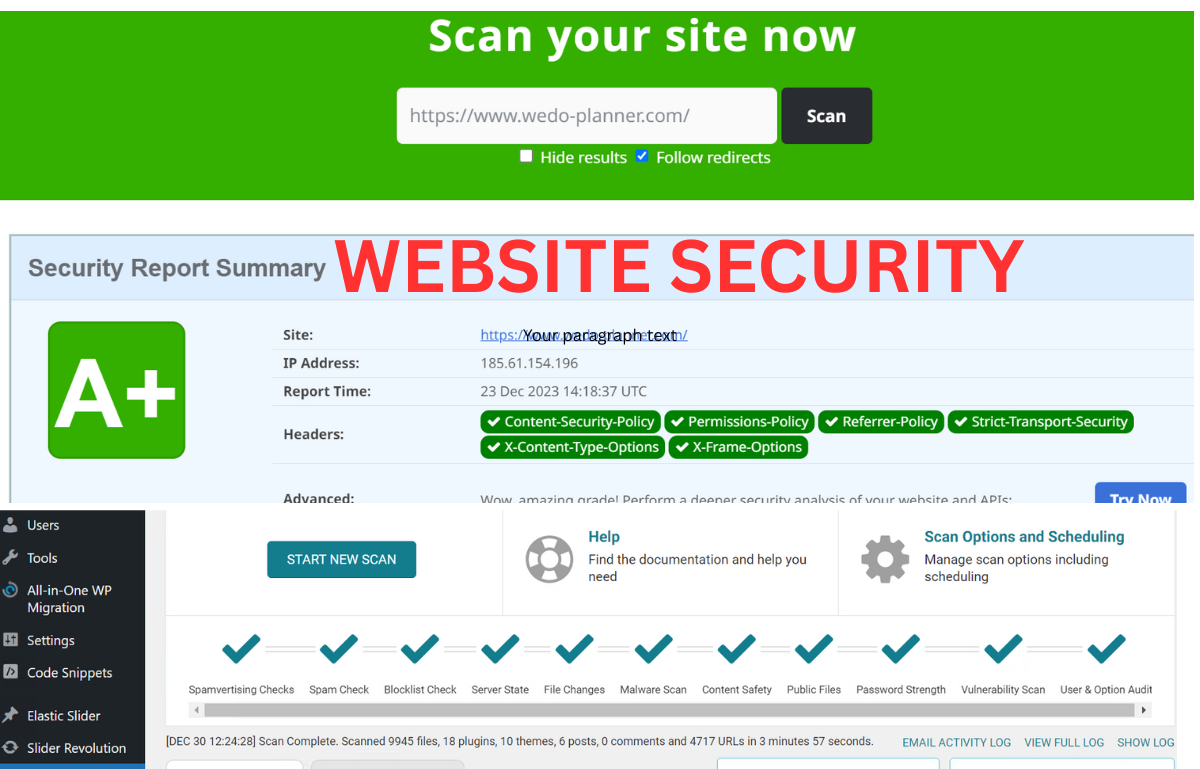
In today’s digital world, website securityis no longer optional. Whether you run a business website, blog, portfolio, or e-commerce store, having an SSL Certificate is essential for security, trust, and search engine ranking.
In this article, you’ll learn:
What SSL is
How SSL works
Why SSL is important
Problems caused by not using SSL
Free vs Paid SSL
How to set up SSL easily
What Is an SSL Certificate?
SSL stands for Secure Sockets Layer. It is a security technology that encrypts the data transferred between a website and its visitors.
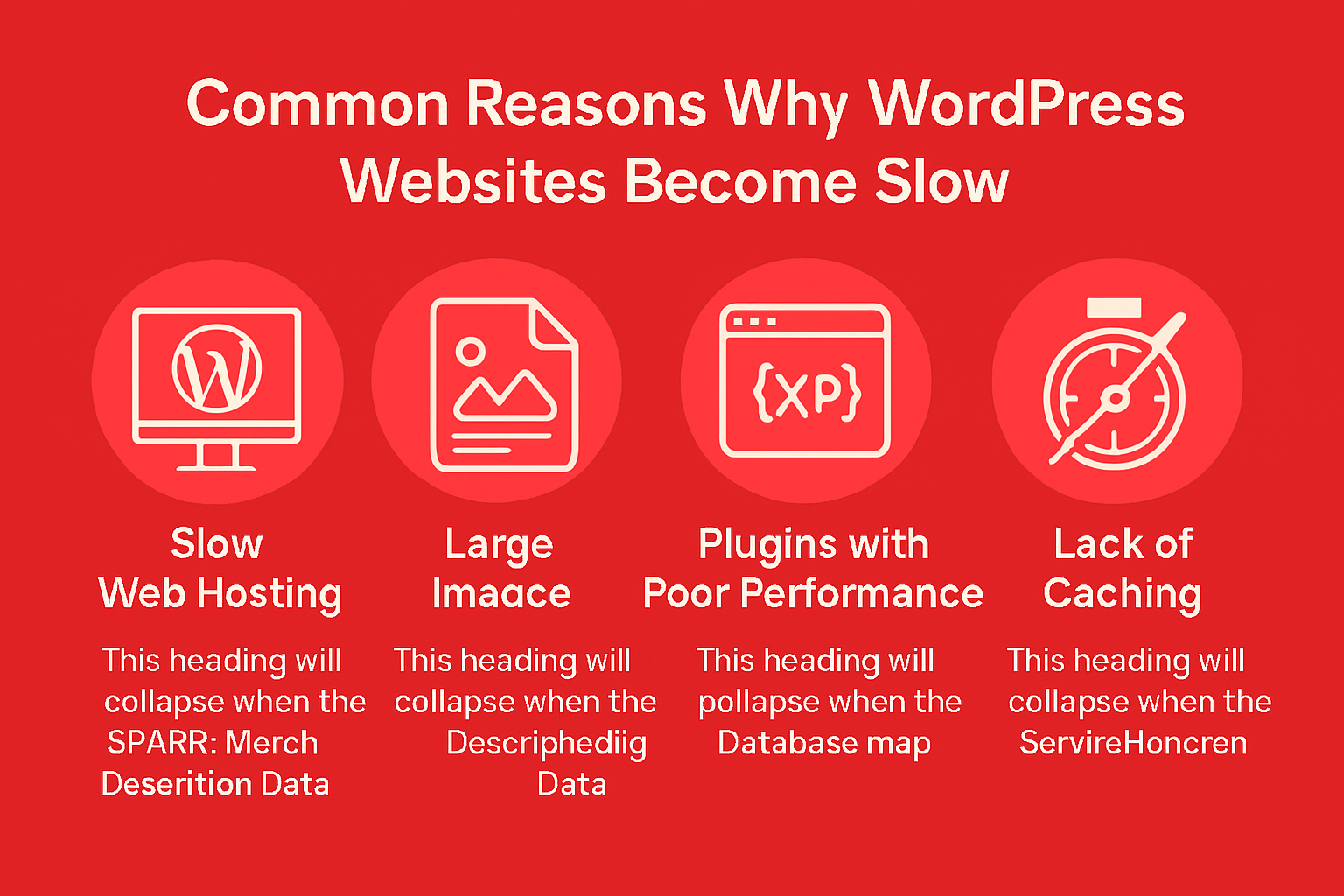
WordPress speed optimization is one of the most important factors for online success. If your WordPress website loads slowly, visitors will leave, Google will rank you lower, and your business or blog will suffer. Many beginners think speeding up a WordPress website is very technical, but the truth is — anyone can improve website speed by following the right steps.
Improving WordPress speed Improving WordPress speed optimization is not a one-time task — it is an ongoing process. By optimizing images, using caching, removing unnecessary plugins, choosing good hosting, and using a CDN, you can significantly improve your website performance.
A fast WordPress speed optimization
Ranks better on Google
Keeps visitors happy
Builds trust
Increases conversions
If you want professional help to speed up your WordPress website, regular maintenance and optimization can save you time and money in the long run.
🚀 Need Help with WordPress Speed Optimization?
Is your WordPress website loading slowly and losing visitors? A slow website not only frustrates users but also hurts your Google rankings and conversions. Fixing speed issues without proper experience can be time-consuming and risky.
That’s where I can help.
I provide professional WordPress speed optimization services to make your website faster, smoother, and SEO-friendly.
✅ What I Will Do for Your Website
Full WordPress speed analysis
Image optimization & WebP setup
Cache & performance plugin configuration
CSS, JavaScript & database optimization
Hosting & server performance check
Core Web Vitals improvement
Free speed report (before & after)
🎯 What You Will Get
Faster loading time (2–3 seconds)
Better Google PageSpeed score
Improved SEO rankings
Lower bounce rate
Better user experience
More trust & conversions
⭐ Why Choose Me?
Beginner-friendly & honest service
100% manual optimization (no shortcuts)
SEO & security focused approach
Affordable pricing for small businesses
Clear communication & support
I don’t just optimize speed — I help your website perform better for real users and search engines.
SEO spam Japanese spam, is a common website security issue that mainly affects WordPress websites. In this attack, hackers secretly inject spam pages, links, or posts into a website without the owner’s permission. Most of these spam pages contain Japanese text and promote fake products, gambling content, or suspicious links.
The main goal of SEO spam is to misuse your website’s authority and Google trust to rank spam pages. If not fixed quickly, it can seriously damage your website’s SEO, traffic, and online reputation.
SEO spam Japanese Spam ” is another name for the process that involves black hat SEO as done by hackers. In these cases, hackers don’t work towards forming their own sites but rather hack other sites by adding invisible pages, links, or posts. Invisibility occurs as these pages remain invisible to humans but visible to search engine sites, such as Google.
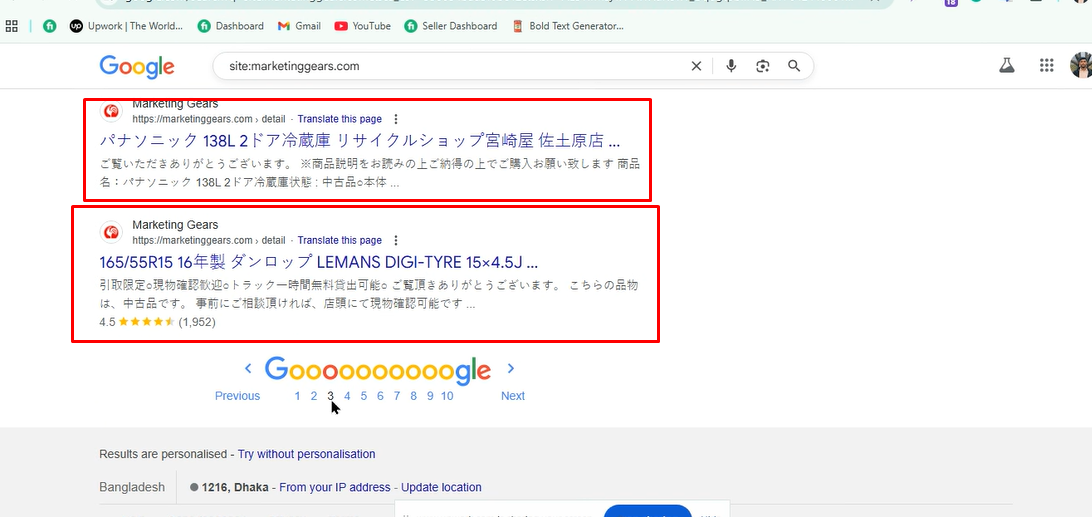
When a person searches for something on Google, they might find your website listed with Japanese titles and descriptions, though your website is completely irrelevant to Japanese content.
Among the common reasons that make a site vulnerable to SEO guest blogging malware are:
Weak Passwords
Ease of guessability of password in hosting, WordPress admin, or FTP accounts can give hackers entry easily.
Outdated WordPress, Themes, & Plugins
Usually, the older version has some security bugs. Hackers search for such websites on the Internet and access them automatically.
Nulled or Cracked Themes & Plugins
Free pirated themes or plugins may contain hidden malware or backdoors that can give hackers access to your site.
4. Poor File Permissions
File If file permissions are not proper on a server, they can be utilized by attackers to upload harmful files.
Hidden Backdoors
Hackers might have left hidden scripts on your website that could reinfect the site even after the cleanup.
Typical Characteristics of Spam Messages Related to Japan
Signs to look for in order to determine whether a website is SEO spam include the following:
Japanese text shown as a Google search result
Direct URLs, for example /jp/, /product-12345.html, and
An overnight change to low website traffic and positions
Google Search Console – “Security Issues” Warnings
Slow or redirected traffic on your website SEO Spam Japnaese Spam You can quickly verify this on Google with the search: site: If it has Japanese content, your site is probably hacked.
Install a security plugin such as Wordfence or Sucuri and perform a full scan. Alternatively, check to see if your hosting provider offers malware scanning.
Removing Suspicious Files
Look for unknown .php files, especially in:
/wp-content/uploads/
/wp-includes/
/wp-admin/
Not seeing a file you don’t recognize? Delete it.
Reinstall WordPress Core Files
Download a fresh copy of WordPress and re-upload all the core files except the wp-content folder.
Cleanse Database
Carefully look for spam keywords or hidden links in the wp_posts and wp_options tables and remove them.
Prevention is always better than recovery. Follow these best practices:
Keep WordPress, themes, and plugins updated
Never use nulled or pirated software
Enable two-factor authentication (2FA)
Take regular website backups
Use a trusted security plugin
Limit admin access and user roles
Regular monitoring can help detect problems early before serious damage occurs.
Final Thoughts
SEO spam Japanese spam is a common but dangerous issue for website owners. It silently attacks your site, damages your SEO, and puts your online reputation at risk. The good news is that with proper security practices, regular updates, and timely cleanup, you can fully recover and protect your website from future attacks.
When a person searches for something on Google, they might find your website listed with Japanese titles and descriptions, though your website is completely irrelevant to Japanese content.
Website Security In today’s internet age, a website has become one of the most prized possessions for any business, brand, or individual. A website is your identity on the internet and also acts as a tool for reaching your customers. With an increasing importance of websites, they also tend to become a lucrative target for hackers, malware, and attacks on the website. Therefore, website security has become the need of the hour.
One breach in security can harm reputation, lead to loss of data, and even cause financial loss. In this article, we will define website security, its importance, threats, and measures you can take in order to ensure that your website is safe.
Website security is the practice put in place to ensure the protection of websites against the dangers posed by hacking, malware, unauthorized access, data theft, and disruptions. Its purpose is to ensure the safety, functionality, and integrity of the website for the users, including the owner.
Website security safeguards the following:
Website files and databases User data and personal information
Many site owners may believe that hackers target large corporations. However, small and medium sites get compromised more, as they generally have less stringent security.
These are some of the most important reasons for website security:
Safeguards Your Data
Your website may contain data that is considered sensitive, such as login credentials, customer information, or payment details. A breach can compromise this data, which may cause dire implications.
Maintains Customer Trust
Your website will be trusted by the visitors as soon as they recognize that it is a secure site. Any hacking or flagging of your site by browsers will immediately make your visitors leave.
No Website Downtime
Cyber-attacks may result in your website becoming sluggish, malfunctioning, or being inaccessible altogether. This loss translates to lost traffic, lost sales, or lost revenue.
Search engines such as Google penalize websites that are either hacked or have malware. This may result in your site ranking low or even falling off the search results pages.
Saves Time and Money
Repairing the damage on the hacked website tends to cost more time and effort compared to the cost of prevention.
By recognizing common risks, one can prepare accordingly to avoid them.
Malware infections
Malware Malware, or malicious software, can be injected into your site. This may cause visitors to be redirected, display spam messages, or steal data.
Brute Force Attacks
Hackers attempt thousands of combinations for your log-in credentials to try to gain access to your admin area.
Attackers use vulnerable forms or URLs in order to gain access to or modify your database.
Cross-Site Scripting (
Malicious scripts are embedded into your site to target your web visitors.
Outdated Software
Older versions of Content Management System, themes, or plugins can possess known security holes.
Essential Website Security Practices
These are the most effective methods for securing your site:
Employ Strong Login Credentials
Always use strong and distinct usernames and passwords. Refrain from using easy-to-remember names like “admin” and simple passwords.
Keep Everything Updated
To
Make it a point to keep your CMS, like WordPress, themes, and plugins up-to-date. This will include security patches.
Installing an SSL Certificate
It encrypts the data between the website and the users. It also displays the secure ‘https’ symbol.
Utilize a Web Application Firewall (WAF)
A firewall prevents harmful traffic from reaching your Web site.
Regular Security Scanning
Regular scans are helpful in identifying malware or malicious activity at an early stage before any harm can be caused.
BACKUP Your Website
Always maintain a backup. If anything happens, it will be easy to restore your site.
WordPress Website Security
Millions of websites rely on WordPress. This has made WordPress the focus of many hacks. But WordPress is very secure when it is maintained well.
WordPress security best practices are:
Using trusted themes & plugins
Removing Unused Plugins & Themes
Controlling Login Attempts
Setting Correct File Permissions
Employing reputable security plugins
If properly configured, WordPress can offer the same level of security as any other content management system.
Expert Website Security Solutions
In certain cases, simple security measures may not suffice, especially when you already have compromised or hacked website. This is when the importance of website security services comes into play.
A professional security service may:
Eliminate malware and malicious code
Recover hacked websites
Improve Website Security Settings
Establish Firewalls and Defense Systems
Keep monitoring your website
It is a universal wish for every parent that their children remain safe and healthy at
Signs Your Website May Be Compromised
You need to act right away if you see:
Rapid traffic declines
Unusual website redirection to unknown pages
Links sent via spam on your website
Browser security alerts Quickly
Unusual admin activity Not respecting these indications could lead to deterioration.
Final Thoughts
Website Security: Security on a website is not merely a tech aspect but an absolute necessity in business. Website Security shields not only your data but also your visitors, and most importantly, your reputation. Be it your own blogging site, business page, or e-store, Website Security is amongst the wisest investments you will make. If you adhere to the best practices and opt for professional security services, you are assured that your website remains secure, stable, and reputable. Preventive measures are always preferable, and with an secure website, you are free to do what matters, i.e. develop your online presence.