SEO spam Japanese spam, is a common website security issue that mainly affects WordPress websites. In this attack, hackers secretly inject spam pages, links, or posts into a website without the owner’s permission. Most of these spam pages contain Japanese text and promote fake products, gambling content, or suspicious links.
The main goal of SEO spam is to misuse your website’s authority and Google trust to rank spam pages. If not fixed quickly, it can seriously damage your website’s SEO, traffic, and online reputation.

SEO Spam Japnaese Spam
SEO spam Japanese Spam ” is another name for the process that involves black hat SEO as done by hackers. In these cases, hackers don’t work towards forming their own sites but rather hack other sites by adding invisible pages, links, or posts. Invisibility occurs as these pages remain invisible to humans but visible to search engine sites, such as Google.
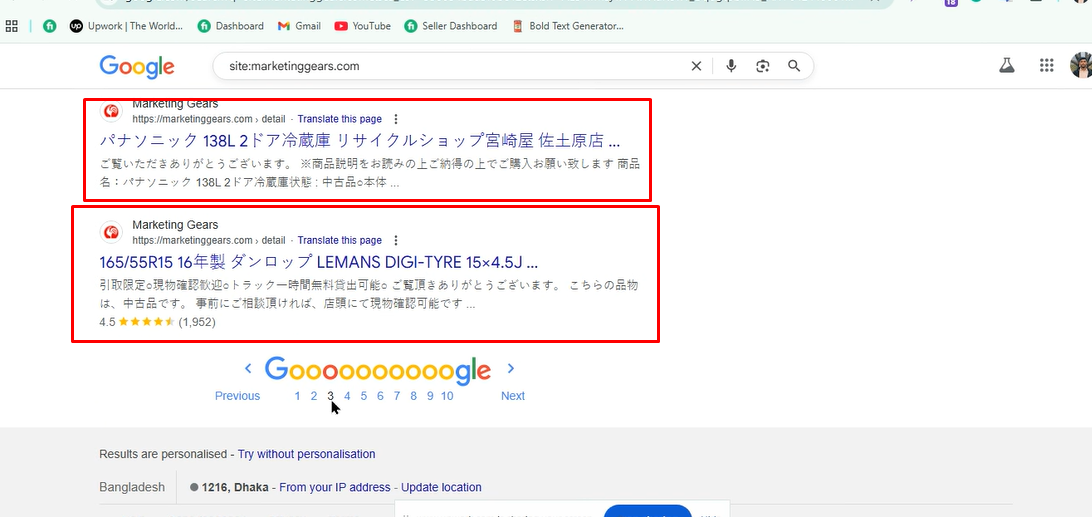
When a person searches for something on Google, they might find your website listed with Japanese titles and descriptions, though your website is completely irrelevant to Japanese content.
SEO Spam Japanese Spam Work?
Among the common reasons that make a site vulnerable to SEO guest blogging malware are:
- Weak Passwords
Ease of guessability of password in hosting, WordPress admin, or FTP accounts can give hackers entry easily.
- Outdated WordPress, Themes, & Plugins
Usually, the older version has some security bugs. Hackers search for such websites on the Internet and access them automatically.
- Nulled or Cracked Themes & Plugins
Free pirated themes or plugins may contain hidden malware or backdoors that can give hackers access to your site.
4. Poor File Permissions
File If file permissions are not proper on a server, they can be utilized by attackers to upload harmful files.
- Hidden Backdoors
- Hackers might have left hidden scripts on your website that could reinfect the site even after the cleanup.
Typical Characteristics of Spam Messages Related to Japan
Signs to look for in order to determine whether a website is SEO spam include the following:
Japanese text shown as a Google search result
Direct URLs, for example /jp/, /product-12345.html, and
An overnight change to low website traffic and positions
Google Search Console – “Security Issues” Warnings
Slow or redirected traffic on your website SEO Spam Japnaese Spam
You can quickly verify this on Google with the search: site: If it has Japanese content, your site is probably hacked.
How to Remove SEO spam Japanese Spam (Step by Step)

- Reset all passwords
Change the following passwords immediately:
Hosting account
WordPress administrative users
FTP/cPanel
Users of databases
Use strong and unique passwords.
- Malware Scanning
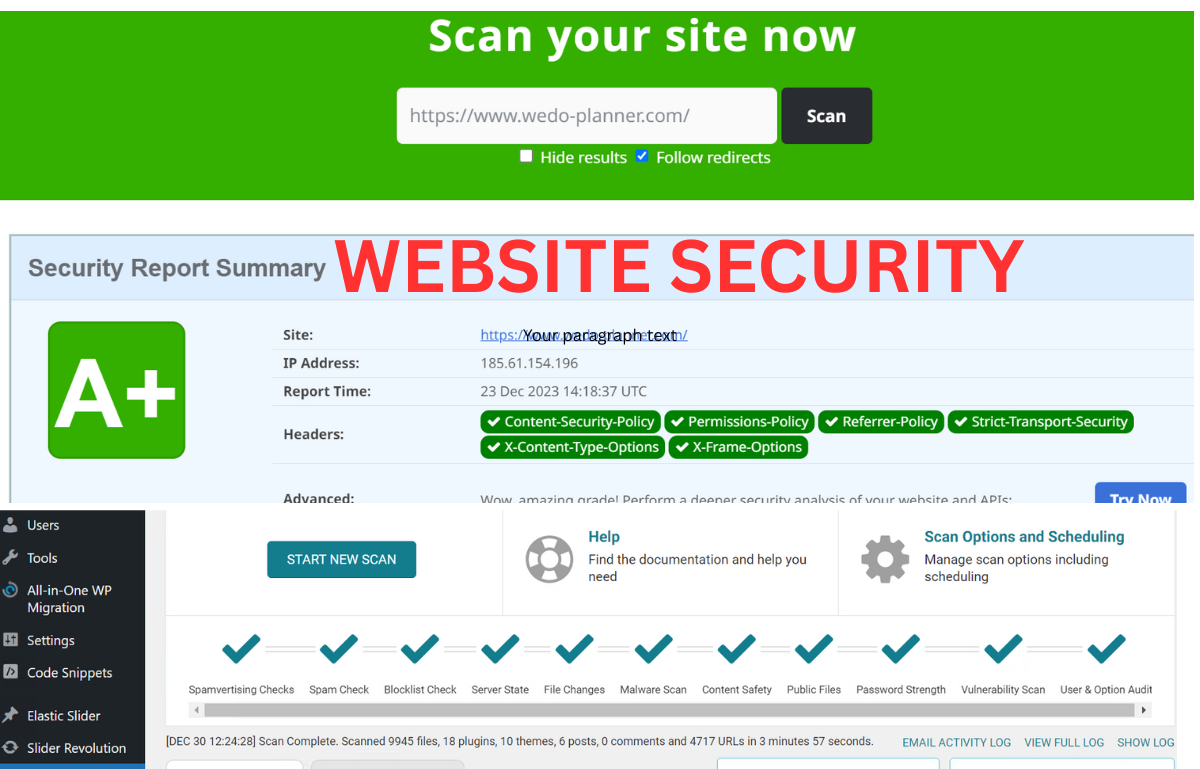
Install a security plugin such as Wordfence or Sucuri and perform a full scan. Alternatively, check to see if your hosting provider offers malware scanning.
- Removing Suspicious Files
Look for unknown .php files, especially in:
/wp-content/uploads/
/wp-includes/
/wp-admin/
Not seeing a file you don’t recognize? Delete it.
- Reinstall WordPress Core Files
Download a fresh copy of WordPress and re-upload all the core files except the wp-content folder.
- Cleanse Database
Carefully look for spam keywords or hidden links in the wp_posts and wp_options tables and remove them.
- Google Search Console
Security Issue Check
Remove spam URLs using the Removal Tool
Request a security review after cleanup
How to Prevent SEO Spam Japnaese Spam
Prevention is always better than recovery. Follow these best practices:
- Keep WordPress, themes, and plugins updated
- Never use nulled or pirated software
- Enable two-factor authentication (2FA)
- Take regular website backups
- Use a trusted security plugin
- Limit admin access and user roles
Regular monitoring can help detect problems early before serious damage occurs.
Final Thoughts
- SEO spam Japanese spam is a common but dangerous issue for website owners. It silently attacks your site, damages your SEO, and puts your online reputation at risk. The good news is that with proper security practices, regular updates, and timely cleanup, you can fully recover and protect your website from future attacks.
When a person searches for something on Google, they might find your website listed with Japanese titles and descriptions, though your website is completely irrelevant to Japanese content.